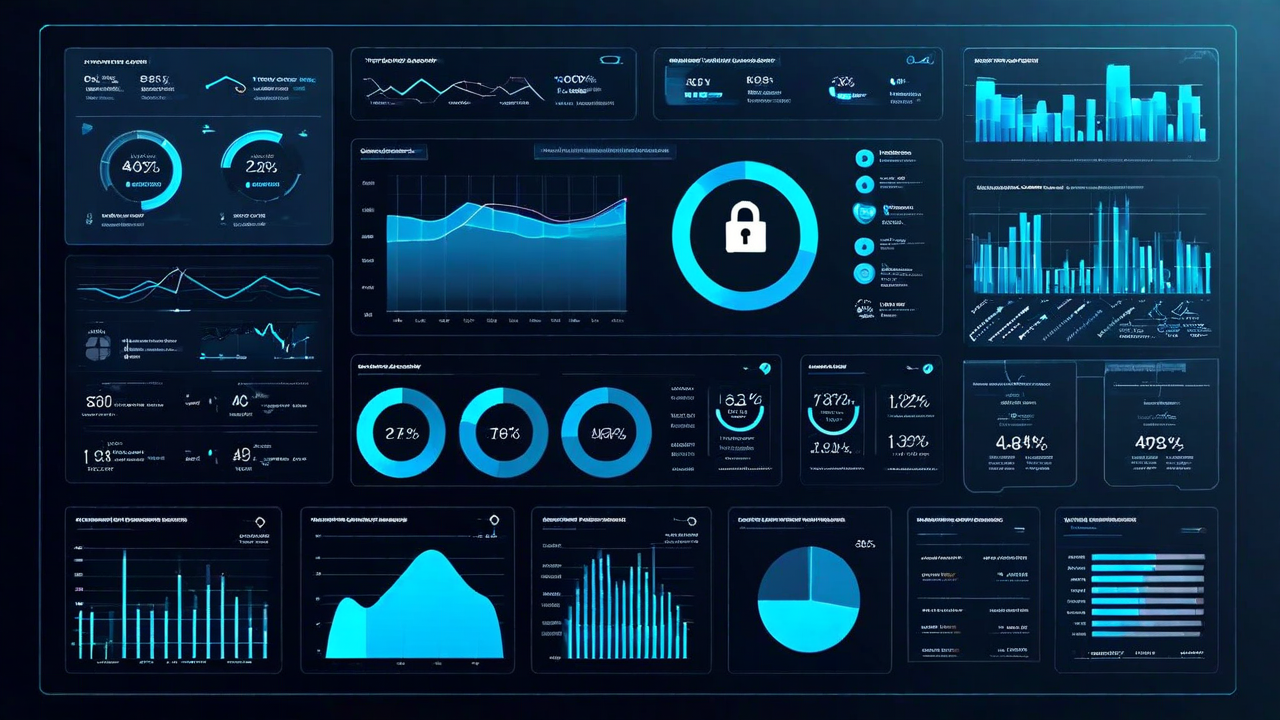
Threat Intelligence Platform

The enrichment engine
behind faster SOC decisions

ThreatPulsar's core is a parallel enrichment pipeline that processes each IOC against 40+ threat intelligence feeds simultaneously, normalizes the results, and delivers structured threat context within seconds — not minutes.

Platform Screenshots

Threat intelligence you can act on

Purpose-built interfaces for SOC analysts — not generic dashboards. Every screen is designed to surface the context that matters, when it matters.

Asset Discovery

Map everything exposed in your name

Most companies underestimate their external footprint. Subdomains from old campaigns, shadow IT, API endpoints left open, cloud storage buckets with public ACLs — ThreatPulsar enumerates your internet-facing infrastructure continuously. Add your root domains and we do the rest. New assets that appear get a pulse on first detection.

  • Subdomain discovery via DNS enumeration and certificate transparency logs
  • Open port and service fingerprinting on discovered IPs
  • Cloud storage bucket exposure detection (S3, GCS, Azure Blob)
  • Exposed API endpoint scanning
ThreatPulsar attack surface discovery dashboard
Dark web credential monitoring interface
Credential Leak Detection

Know when your users’ credentials are for sale

ThreatPulsar monitors dark web forums, paste sites, Telegram channels, and breach databases for credential pairs tied to your company’s email domains. When a dump contains employee accounts, you’ll see a pulse before anyone tries to log in with them. Each alert includes the source, the number of affected accounts, and the estimated age of the leak.

  • 50,000+ dark web and paste site sources monitored
  • Matched against your registered email domains
  • Leak age and source context included in each pulse
  • Alerts include affected account count without exposing the raw credentials
Workflow

From domain to full picture in five steps

01

Add Your Domains

Enter your root domains and brand names. ThreatPulsar starts scanning immediately. Most setups take under ten minutes. No agents, no firewall rules, no IT tickets.

02

Asset Enumeration

We map subdomains, IPs, open ports, cloud assets, and certificates using passive and active techniques. Your full external footprint surfaces — including assets your team may not know exist.

03

Continuous Monitoring

The attack surface isn’t static. ThreatPulsar rescans on schedule and watches for changes — a port that opens, a certificate that expires, a new subdomain that appears.

04

Dark Web & Domain Watch

In parallel, we monitor dark web sources for your credentials and new domain registrations for brand impersonation. These run independently of the asset scan.

05

Pulse Alerts Delivered

Each new finding fires a pulse — email, Slack, or SIEM webhook. The alert includes what was found, which asset, severity, and a suggested next step. No dashboards to check daily.

Capabilities

Platform capabilities

Phishing & Brand Impersonation Detection

Attackers register typosquat and lookalike domains before launching phishing campaigns. ThreatPulsar monitors new domain registrations daily, flagging anything that resembles your brand name through character substitution, homoglyph attacks, and keyword combinations.

When a matching domain is found, you get a pulse with the registration date, registrar, hosting IP, and whether the domain has an active mail exchanger — which often indicates an active phishing campaign in preparation.

Dark Web & Credential Leak Monitoring

ThreatPulsar monitors over 50,000 dark web sources — forums, paste sites, Telegram channels, and breach databases — for credentials associated with your email domains. Monitoring runs continuously, not just on your scan schedule.

Alerts tell you how many accounts were affected, where the data surfaced, and the estimated age of the leak. We don't expose raw credential data in the alert — you get what you need to act without additional risk.

Exposure Score & Trend Tracking

ThreatPulsar calculates an Exposure Score for your organization based on the current open findings — count, severity, and age. It's not a compliance checkbox metric; it reflects how an attacker would assess your surface right now.

The score trends over time, so you can show the security team's work to leadership without building a custom report. New findings raise it; closed findings lower it. Simple by design.

Integrations: Slack, Email, SIEM Webhook

Pulse alerts go where your team already works. Slack integration takes about two minutes to configure via OAuth. Email delivery supports custom recipient lists per alert type. SIEM webhook output sends structured JSON to Splunk, Elastic, or any webhook-capable platform.

The API (Professional and Enterprise) gives you full programmatic access to findings, asset lists, and score history. Useful for building custom workflows or feeding exposure data into your risk management tooling.

Data Handling & Tenant Isolation

Your domain data and findings are not shared with other customers or used to train shared detection models without explicit consent. Enterprise deployments support US East, US West, and EU (Frankfurt) data residency.

All data in transit encrypted with TLS 1.3. Data at rest encrypted with AES-256. SOC 2 Type II audit completed Q4 2024.

Performance

Performance specifications

Specification Value
Scan frequency (Professional)Daily
Scan frequency (Starter)Weekly
Scan frequency (Enterprise)Continuous
Median time-to-first-pulse (new asset)15 minutes
Dark web sources monitored50,000+
Domain monitoring (new registrations)Daily checks
API uptime (trailing 12 months)99.7%
Alert delivery channelsEmail, Slack, SIEM webhook
Data residency regionsUS East, US West, EU (Frankfurt)
ComplianceSOC 2 Type II (Q4 2024)
Encryption in transitTLS 1.3
Encryption at restAES-256 via AWS KMS
Integrations

Works with your existing stack

Email Alerts
Slack
REST API
Splunk
Elastic SIEM
Microsoft Sentinel
Generic Webhook
Certificate Transparency
Shodan
Dark Web Sources
AWS S3 / GCS / Azure Blob
AWS KMS
Ready to Test?

Ready to see your own exposure?

Request a demo and we'll run a live scan against one of your domains. Real findings, shown during the call.

Request a Demo